Project
Portable Piano
Co-developed a projection-based virtual instrument that tracks fingertips in 3D and turns any flat surface into a responsive piano, xylophone, or DJ pad.
Technologies
Overview
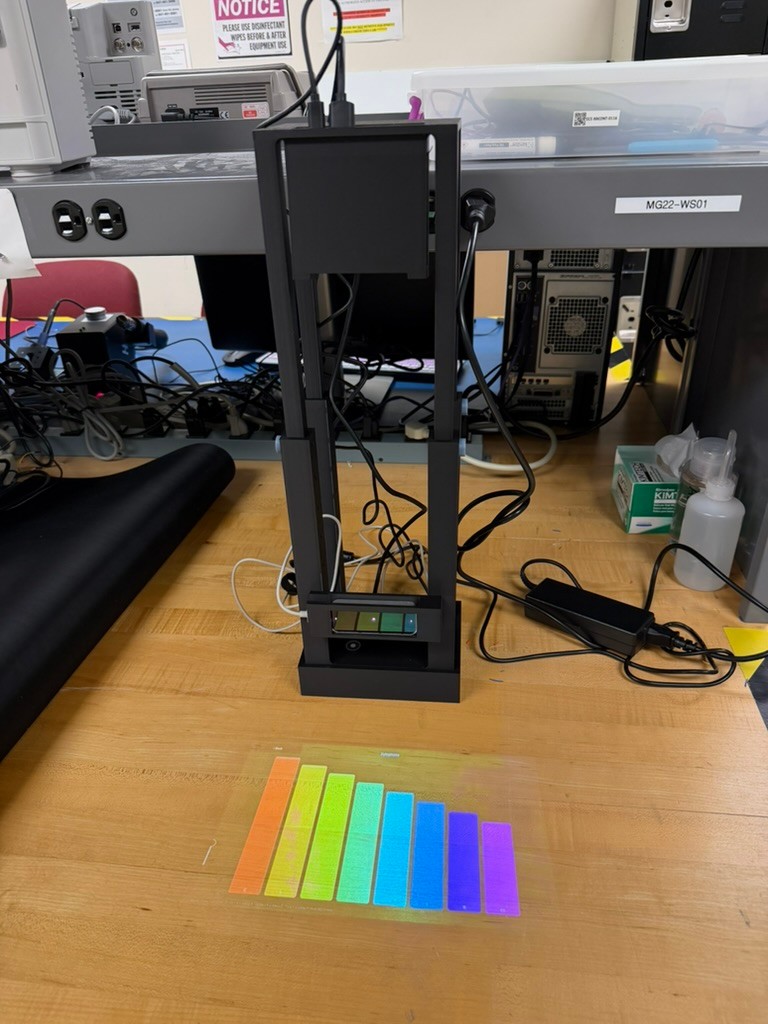
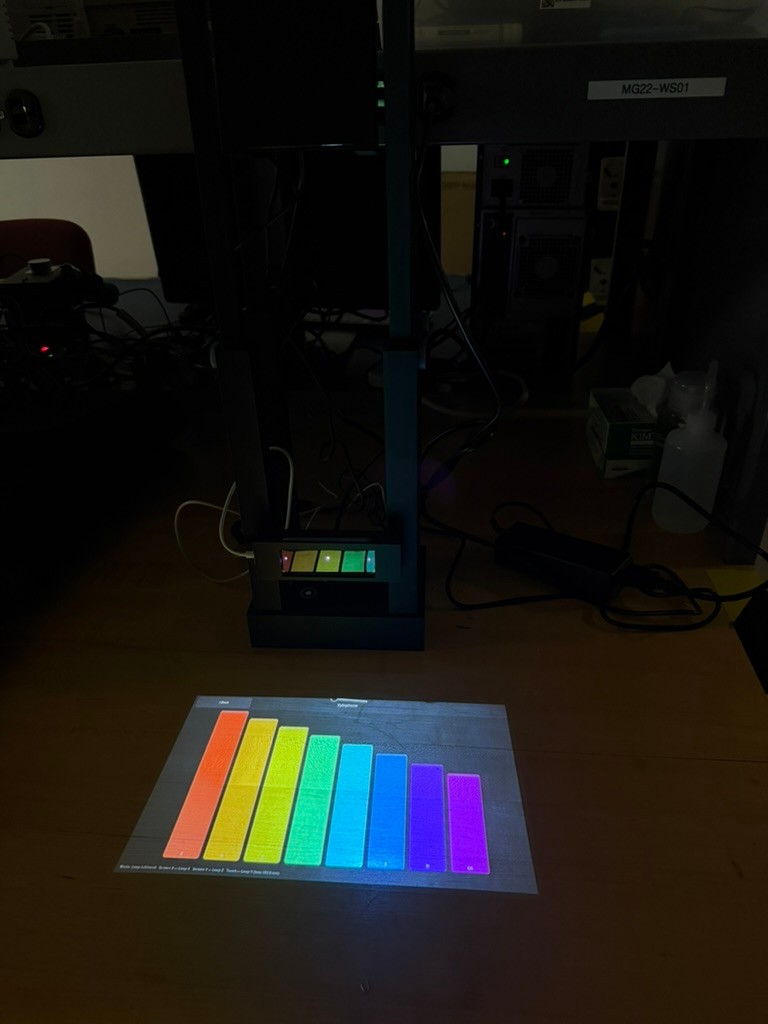
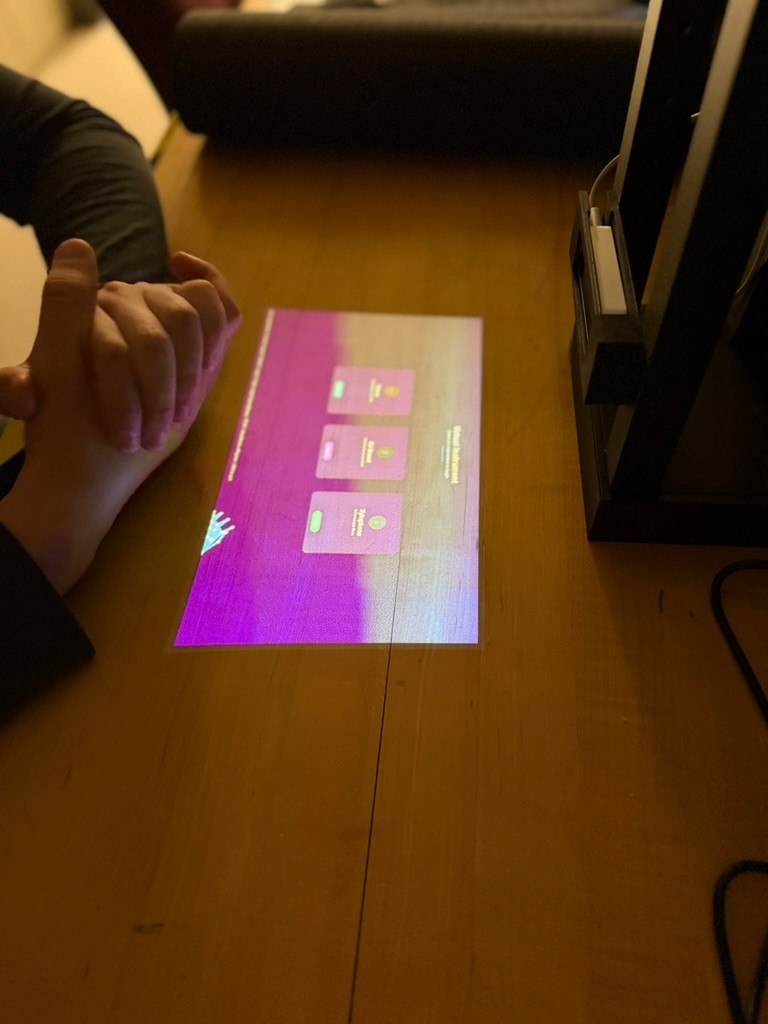
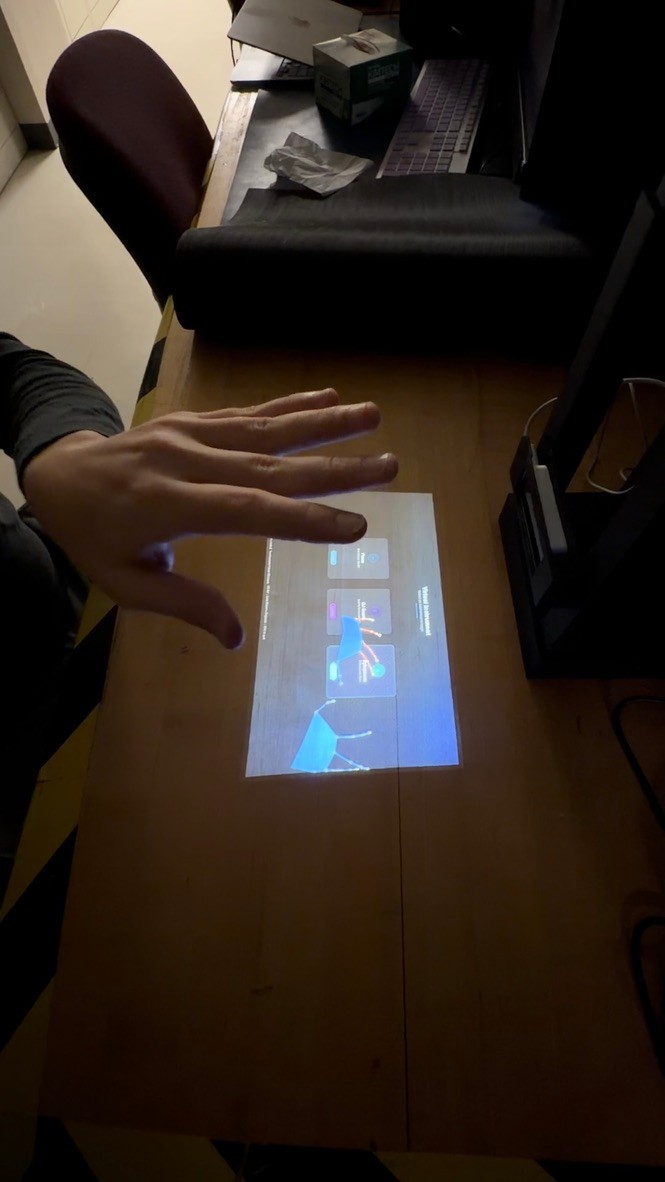
Co-developed a portable, projection-based musical instrument with Welldone Matanga and Justin Ansell for Northwestern University's CE 347 Microprocessor System Projects course. The system projects an interactive interface onto a flat surface and lets a player trigger sounds by tapping the projected controls—without physical keys or a touchscreen.
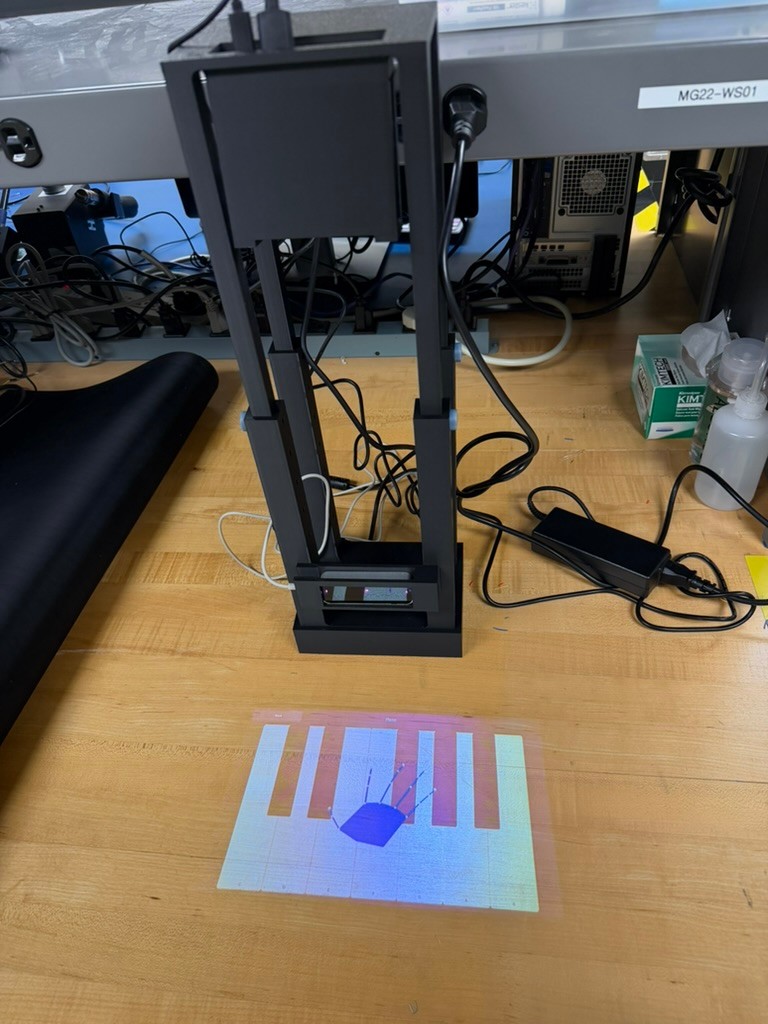
The final architecture combines a Leap Motion Controller, a LattePanda Mu single-board computer, and a compact projector with an integrated speaker. A compiled C++ program reads 3D fingertip coordinates from the Leap Motion SDK and streams them as JSON to a Python application. The software calibrates the sensor's horizontal and depth coordinates to the projected interface, uses a 15 mm tap threshold and per-key debounce timing to reject accidental triggers, and keeps the interaction responsive.
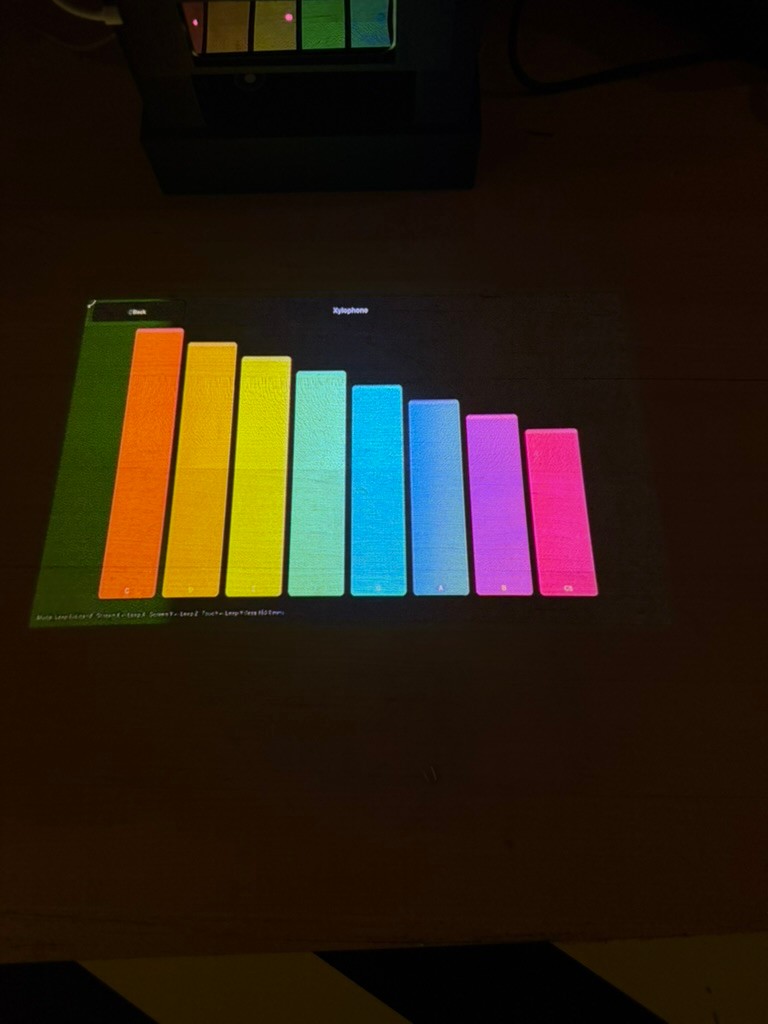
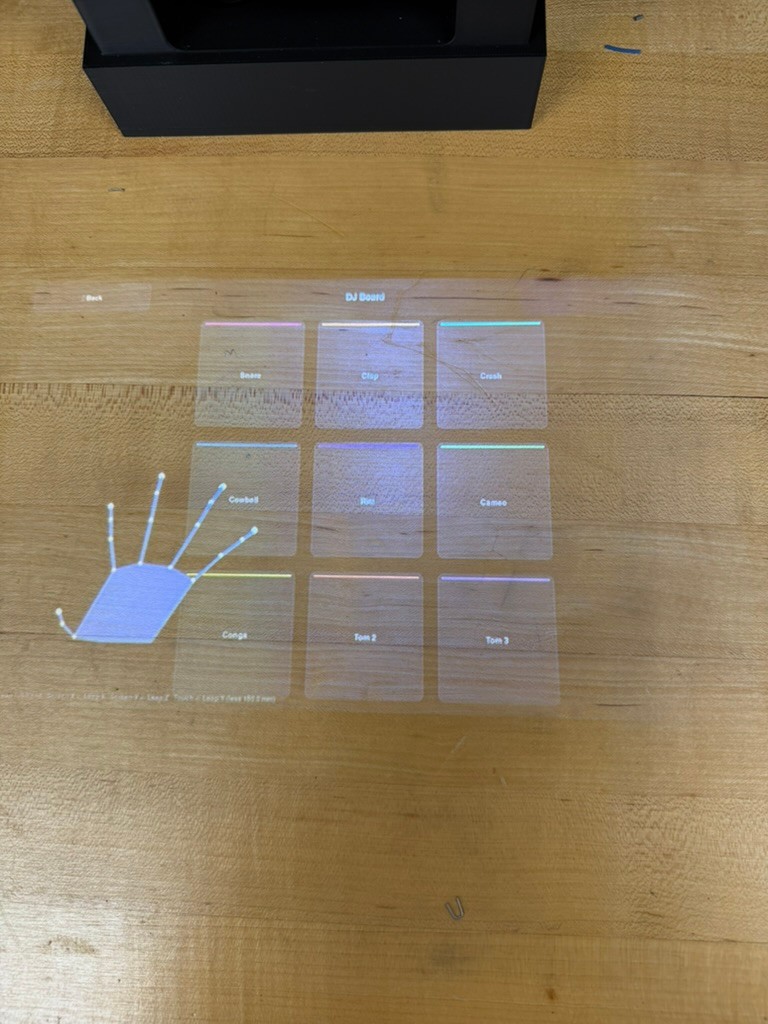
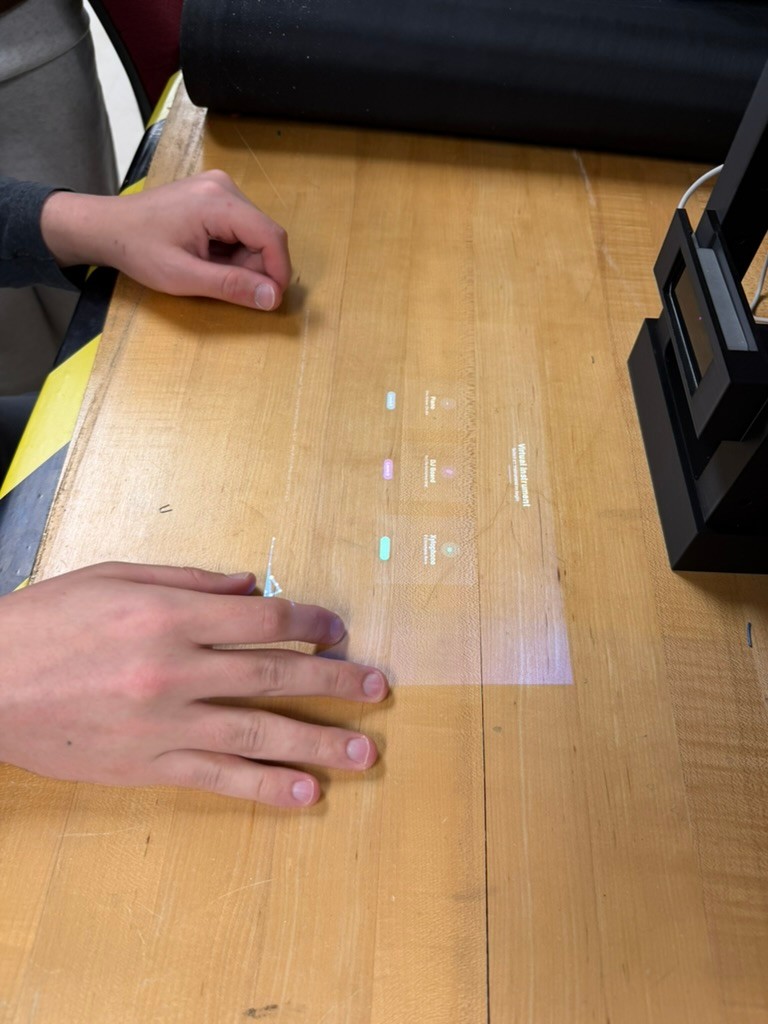
Players can switch among three complete instruments: a one-octave piano spanning C4 through B4, a colorful xylophone, and a 3×3 DJ sample board. Pygame renders the projected interface at 30 frames per second and manages stereo audio, including synthesized tonal notes with ADSR envelopes and pre-cached samples for low-latency playback.
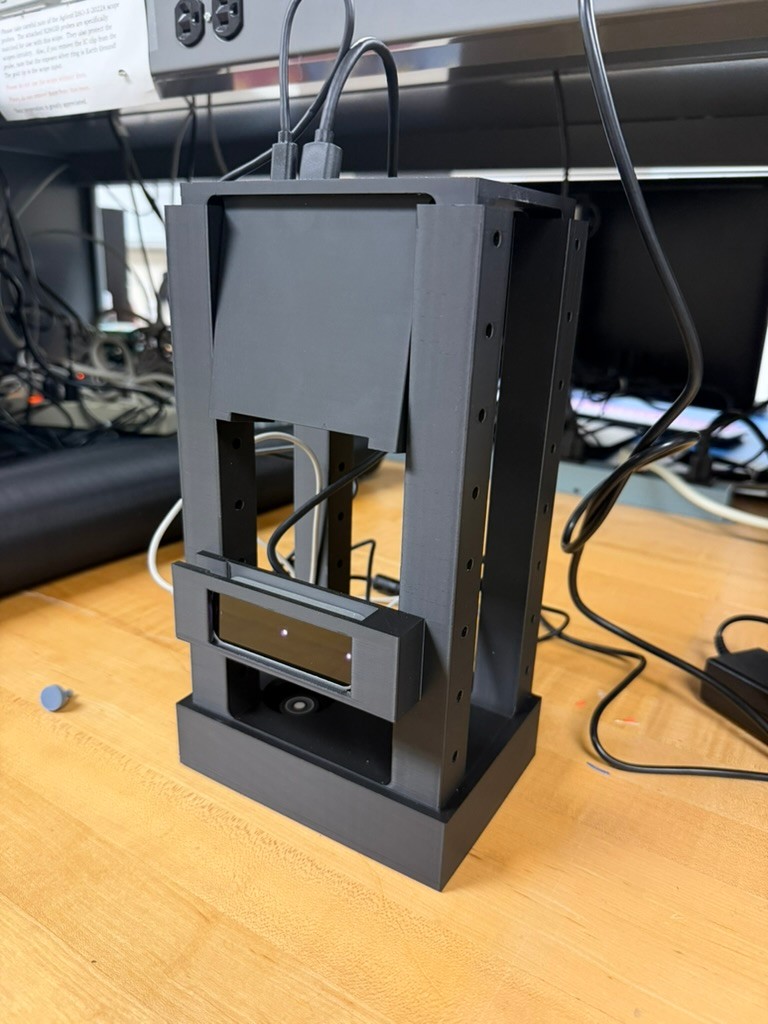
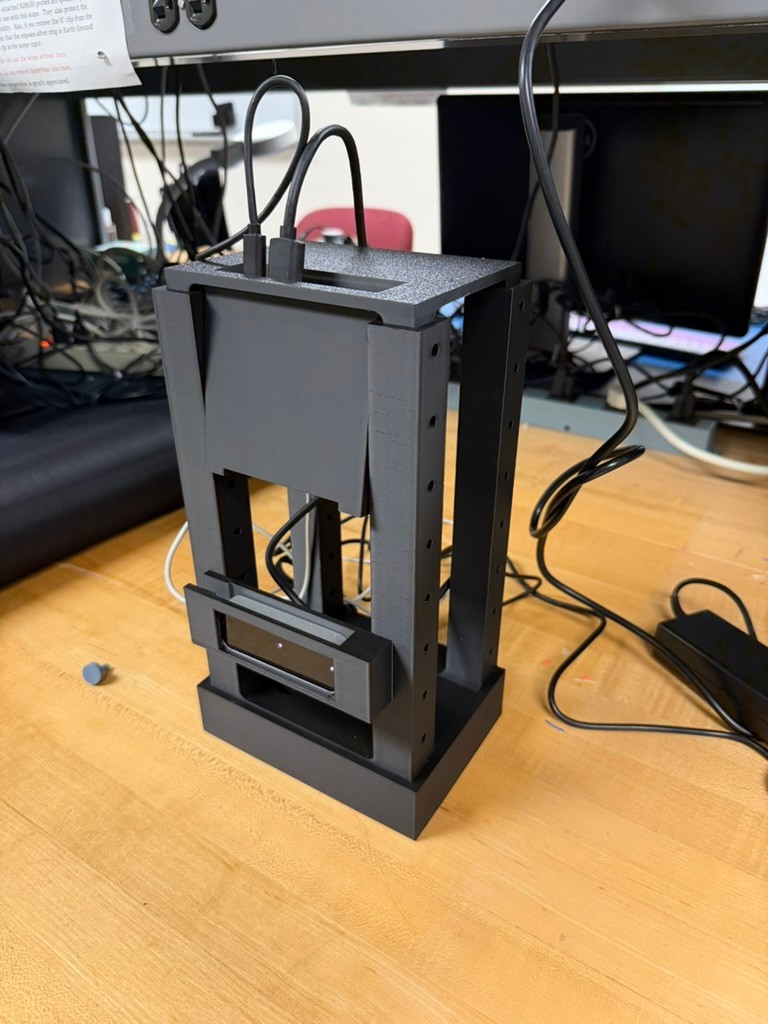
We packaged the projector, computer, and tracking sensor in a custom 3D-printed frame, then iteratively tuned sensor placement and coordinate mapping so the physical tap region aligned with the projected controls. The finished prototype demonstrated real-time multi-finger tracking, mode selection, audible feedback, and portable operation, with all interaction data processed locally on the device.
Project Context
This three-person CE 347 project combined 3D hand tracking, cross-language software, real-time graphics and audio, and mechanical prototyping. The goal was to create a portable musical experience that could transform an ordinary flat surface into several playable instruments.
Key Features
- Leap Motion 3D fingertip tracking with locally processed interaction data
- C++ sensor bridge streaming structured JSON coordinates to Python
- Calibrated horizontal and depth mapping from physical space to projected controls
- 15 mm tap detection threshold with 80 ms per-key debounce
- Three playable modes: one-octave piano, xylophone, and 3×3 DJ sample board
- Pygame interface rendered at 30 FPS with stereo sound output
- ADSR-based tonal synthesis and pre-cached samples for responsive playback
- Custom 3D-printed frame aligning the projector, computer, and tracking sensor
Challenges
- Installing and connecting the Leap Motion SDK across the C++ and Python components
- Mapping 3D sensor coordinates accurately onto a 2D projected interface
- Reducing false taps and repeated notes without making the instrument feel sluggish
- Keeping graphics, tracking, and audio responsive on the embedded computer
- Maintaining alignment while integrating the electronics into a portable enclosure
Results
- Delivered a functional, hardware-integrated projection instrument
- Demonstrated real-time fingertip tracking, tap detection, visual feedback, and sound generation
- Implemented and tested piano, xylophone, and DJ performance modes
- Reduced perceived audio latency through pre-generated notes and pre-cached samples
- Completed a portable 3D-printed assembly and calibrated it for tabletop demonstrations